
In 1879, Wilhelm Wundt established the first psychological laboratory in the world at the University of Leipzig.
Source: Britannica01 The past, reconsidered
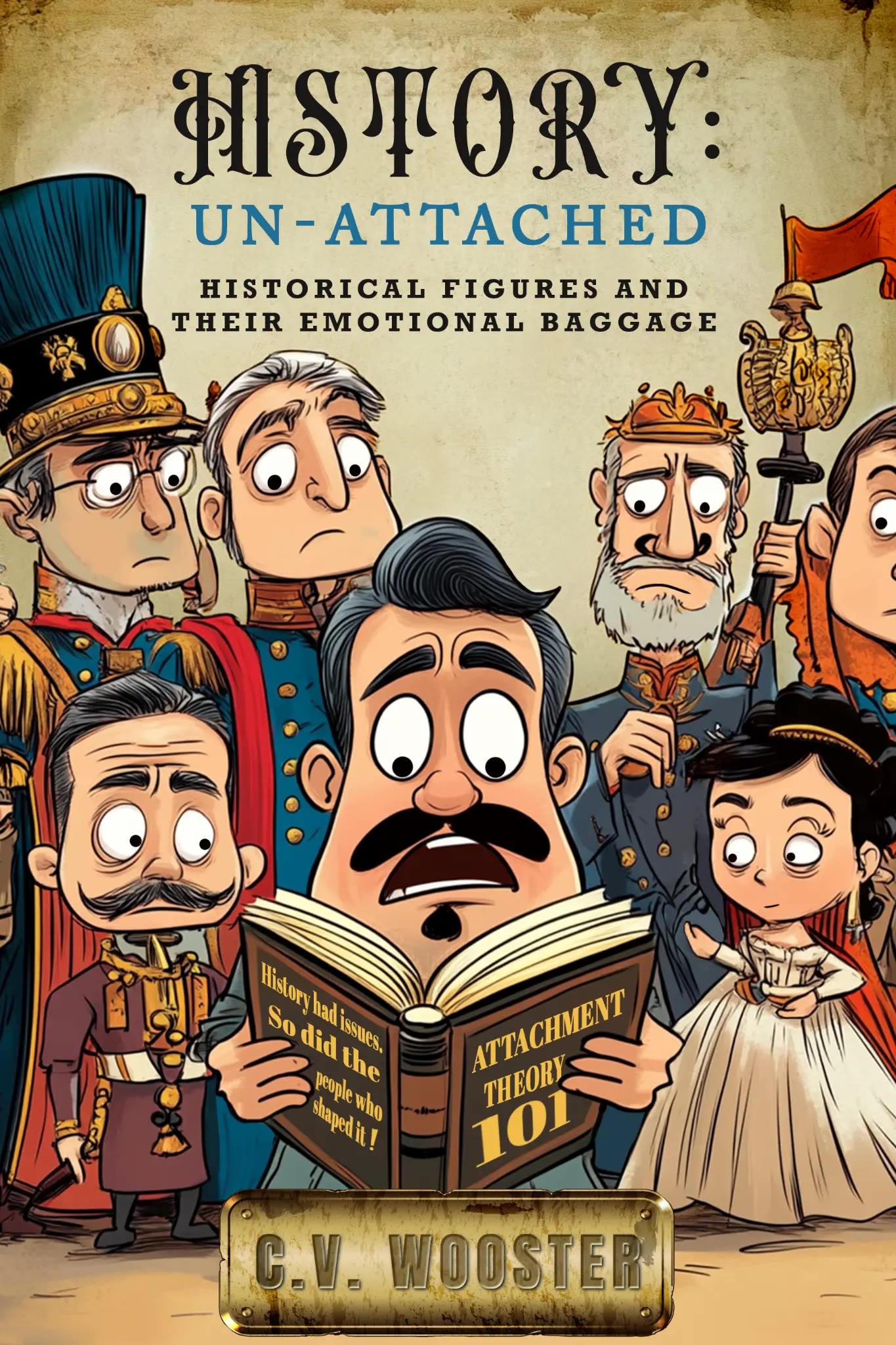
History had attachment issues,too.
History: Un-Attached looks past the marble pedestal to find the complicated, gloriously human people underneath.
A history book for the emotionally curious.
Cabinet curiositiesHistory × psychology
02
Cabinet match
A four-question curiosity
Which historical mind
meets you halfway?
Pick the responses that feel most like you. Your answer trail will lead to a historically inspired creative mode—not a diagnosis, not a verdict, just a useful mirror.
For curiosity and conversation, not a personality assessment.
Cabinet file 02
Open the correspondence.
Four small questions about how you explore, respond, and connect. Your match waits in the final drawer.
03
The book
A new way to look at old lives
Meet the person
behind the portrait.
In historically grounded, emotionally revealing imagined sessions, the book reconsiders celebrated lives through the compassionate frame of attachment theory.
In the cabinet: Alexander the Great · Marie Antoinette
It is a spirited invitation to bring curiosity—not judgment—to the people who made the past. Their genius came with baggage. Ours does, too.
Find it on AmazonCabinet card
No. 1967
- Subject
- World History
- Counterpoint
- Psychology
- Method
- Imagined sessions
- ISBN
- 978-1-967239-30-6
- Publisher
- HistoryUnattached
Author · Historian · Humorist
05
The lens
No armchair diagnosis. Just a better question.
History gets more
interesting when we
let it feel something.
A
Look closer.
Move beyond the monument to the motives, fears, loyalties, and longings a biography can leave at the edge of the frame.
B
Hold complexity.
Curiosity makes room for contradiction. It asks how a person could be brilliant, difficult, wounded, and still undeniably human.
C
Bring it forward.
History is not a therapy worksheet. It is a useful, vivid mirror—one that can sharpen the questions we ask about ourselves.
06
Related case file
A companion journey
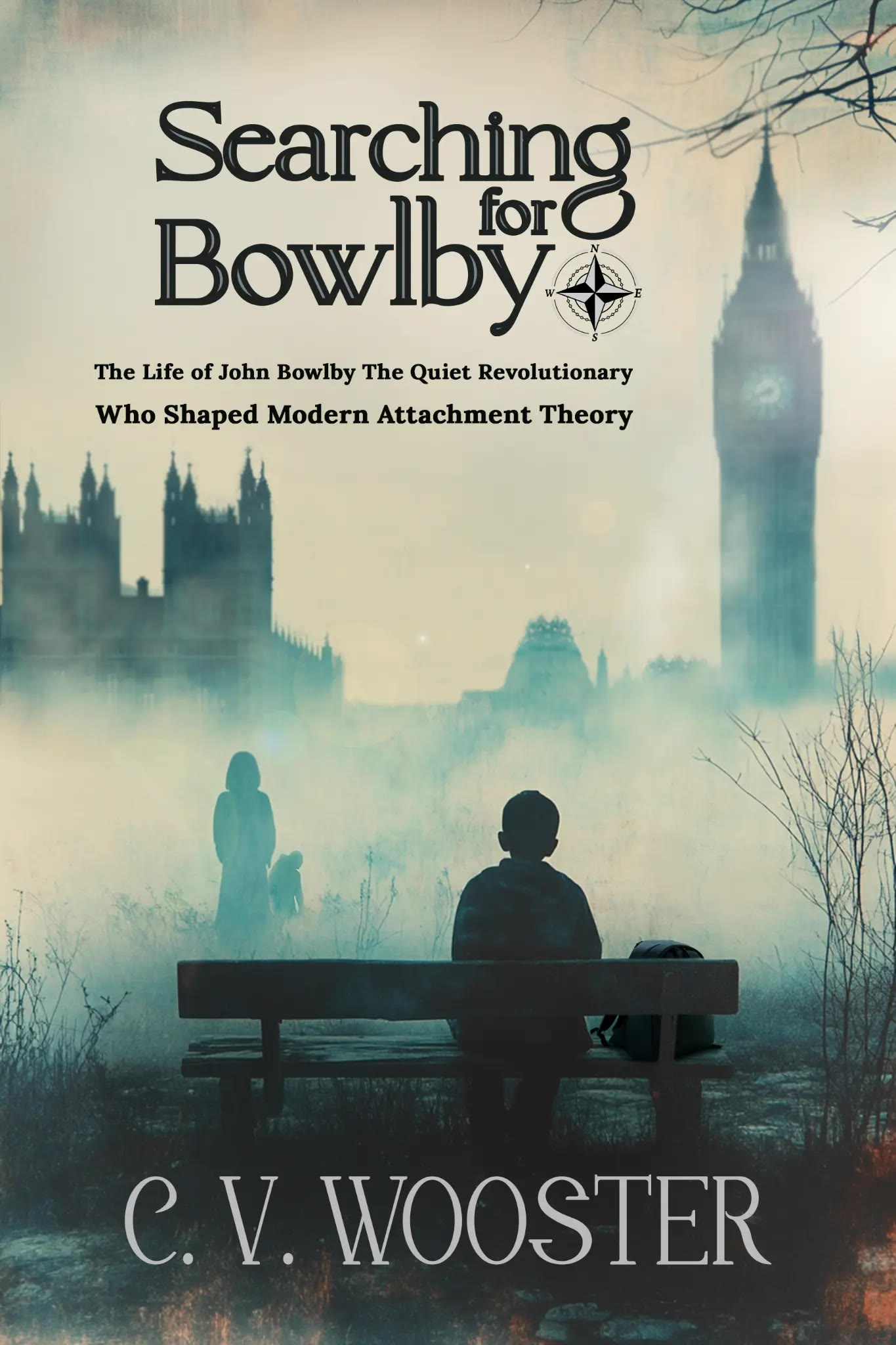
Searching
for Bowlby
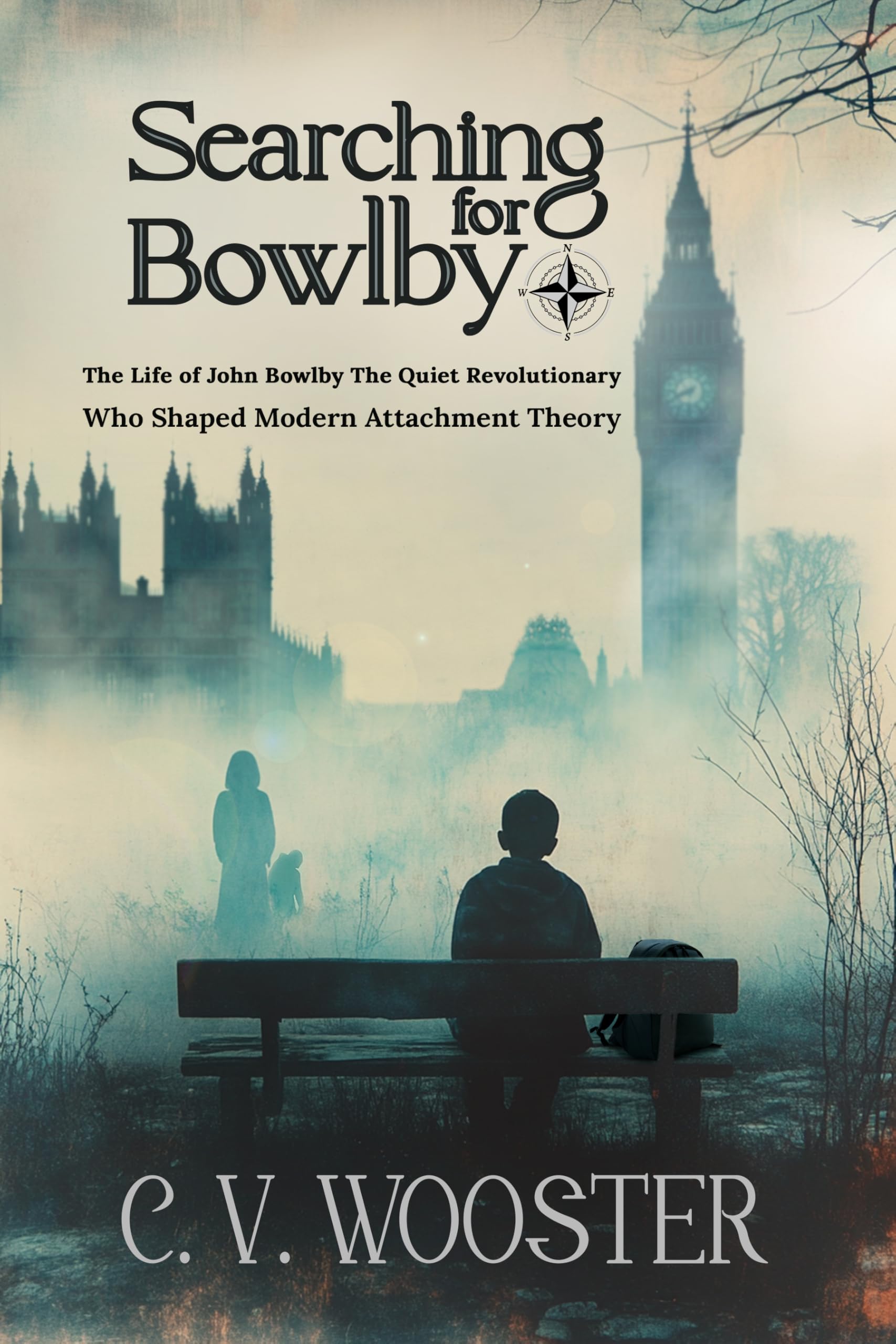
Before we could ask what history’s famous figures carried, John Bowlby changed how the world understood human connection.
Searching for Bowlby is C. V. Wooster’s richly narrated historical biography of the quiet revolutionary whose work helped shape modern attachment theory.
Explore the bookOur picks
Recommended on Amazon
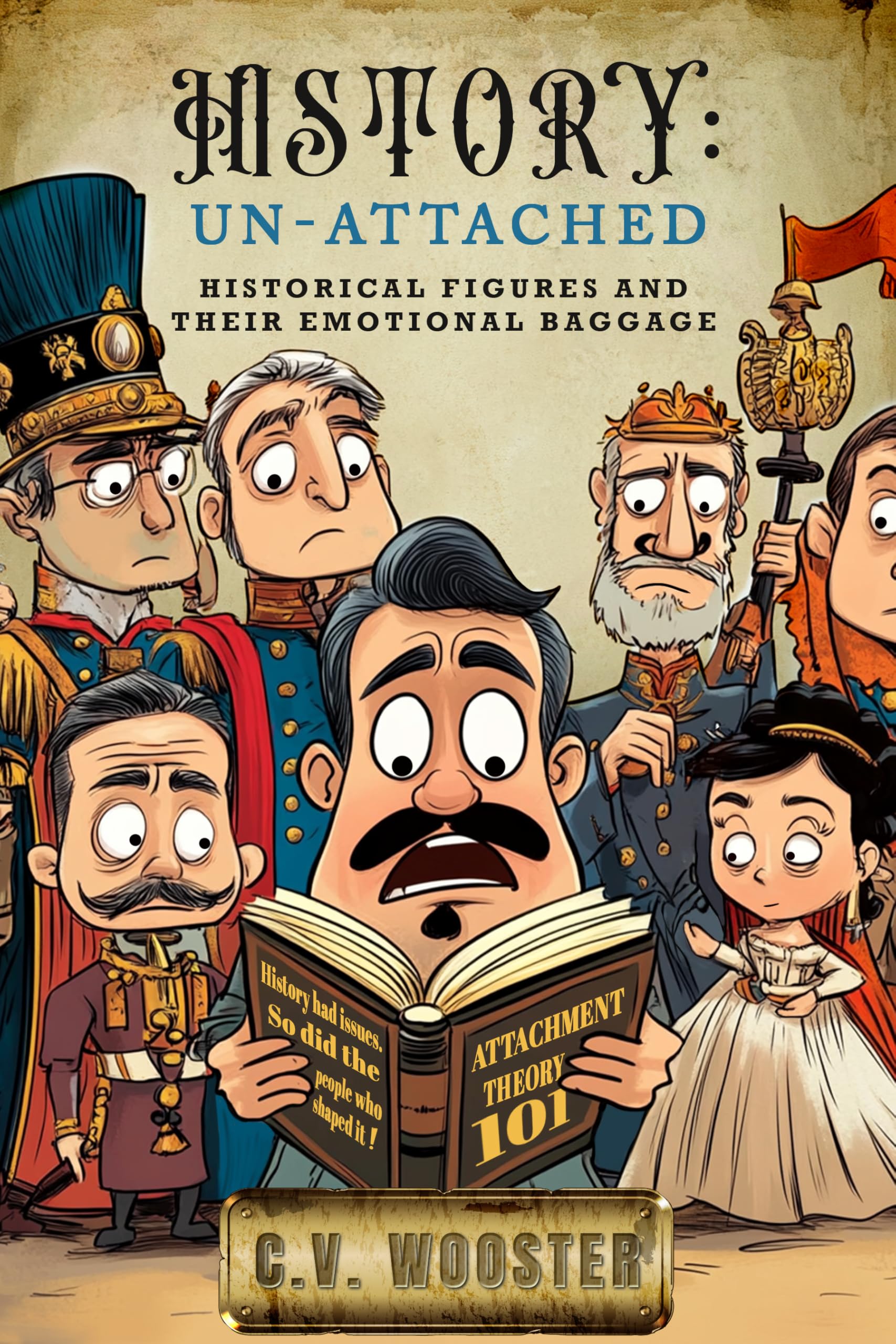 History: Un-AttachedBy C. V. Wooster
 Searching for BowlbyBy C. V. Wooster
 Mrs. Orcutt's DrivewayBy C. V. Wooster
As an Amazon Associate I earn from qualifying purchases.
07
The podcast
Now in preparation
Some histories
need to be heard.
The next chapter is taking shape: a conversational podcast that will keep opening the case files—one famous life, one revealing question at a time.
Season one is in the works.
Keep an ear out
A quiet note
when it begins.
Leave an address if you want to know when the first episode is ready. No barrage. One note, when there is something to hear.
08 Field notes
“What changes when we stop asking whether a figure was great and start asking what it cost them to become one?”
History: Un-Attached is for readers who prefer the lived-in story: imperfect, emotionally resonant, and a little less certain than the legend.
Begin with the book