
In 1810, a clerk in a provincial archive filed a packet of letters under a name that was not quite the famous one. The handwriting was careful. The wax was cracked. Nobody catalogued the packet for another century, and when a biographer finally opened it, the first impulse of modern readers was not wonder — it was diagnosis.
That impulse is the problem this note is about.
What diagnosis means in a clinic, and what it cannot mean in a graveyard
A clinical diagnosis is a living practice. It depends on conversation, observation over time, consent, differential consideration, and the possibility of being wrong in a way that can be corrected with the patient still in the room. The dead cannot clarify a metaphor. They cannot refuse a label. They cannot say that the sleeplessness meant something else.
When writers attach modern clinical vocabulary to people who died before those categories existed, they are not practicing medicine. They are practicing rhetoric. The rhetoric can be useful as a way to name patterns of fear, loyalty, withdrawal, or care, but it is not a chart. It is an opinion about the past, offered from the present.
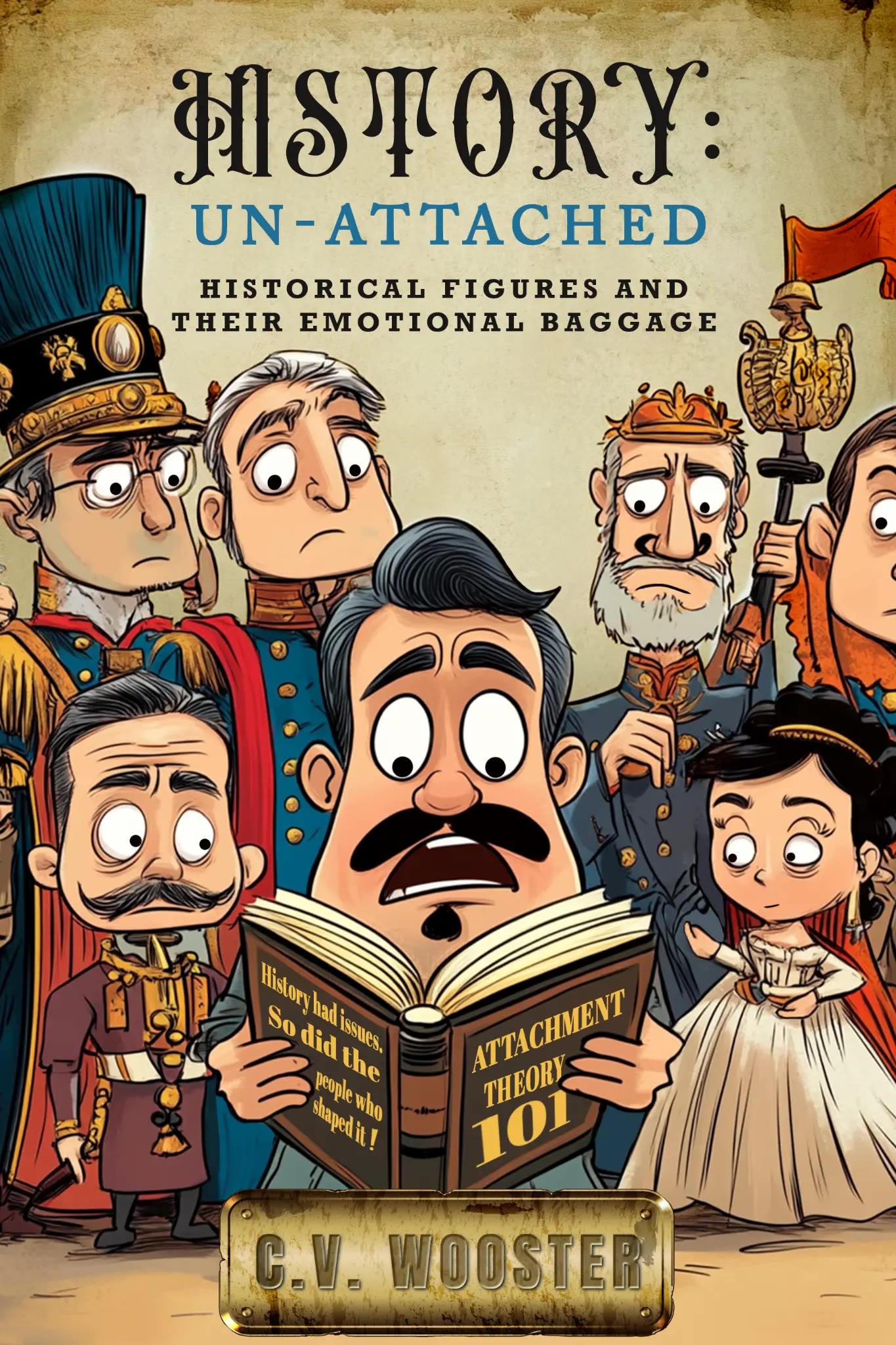
History Unattached uses attachment language the same way a careful essayist uses any theory: as a lens, not a sentence. Attachment theory asks how bonds form, break, and repair. It does not authorize a posthumous case file.
Why the temptation is so strong
Famous lives arrive already half-diagnosed by rumor. The tyrant is called mad. The poet is called melancholy. The general is called broken by war. Those words travel because they are short, and because they let the living feel they have mastered the dead.
Archives make the temptation worse. A single frantic letter, a cancelled journey, a will that cuts a child out — each looks like a symptom when you want a story with a hinge. Biographers need hinges. Readers want them. Platforms reward them. The quieter work of saying we do not know what this meant to them does not trend.
You might be thinking that refusing labels leaves history bloodless. It does not. It leaves room for contradiction. People can be devoted and cruel in the same week. They can write tenderly to a child and abandon another. Attachment language at its best keeps both facts on the table without pretending the ledger is a lab result.
Popular history also inherits a medicalizing habit from the twentieth century's love of systems. Systems feel like mastery. Mastery feels like comfort when the past is frightening. The comfort is fake when the evidence cannot talk back.
How to write about emotional life without counterfeiting a clinic
Name the theory as theory. Prefer verbs over labels. Keep the evidence visible. Separate advice for the living from speculation about the dead. Refuse the fake certainty of retrospect. Watch metaphors such as wound and recovery so they clarify rather than counterfeit a chart.
When a Field Note on this site uses words that sound medical — anxious, avoidant, secure, disorganized — read them as historians' shorthand for patterns of bonding, not as DSM claims about someone who cannot answer.
A worked example without a verdict
Consider a widely documented public pattern: a statesman who writes daily to one confidant and almost never to a sibling, who cancels visits after conflict, who keeps portraits of the absent close at hand. An attachment-minded reader can ask who felt safe, who was used as a mirror, and who was kept at the edge of the room. Those questions open research. They do not close it with a code.
The same pattern in another century might be about etiquette, politics, illness, travel, or faith. The archive rarely hands you the one true cause. Pretending it does is a modern vanity.
Here is an illustrative example, clearly labeled: picture a household we will call the Ashford letters, in which three siblings write about a parent's distant manner. The letters help us think about belonging. They would not justify a clinic-style conclusion even if they were real. Pattern is not proof of a modern category.
What this changes for readers
If you come to History Unattached looking for a gallery of famous people explained by a chart, you will be disappointed, and that disappointment is intentional. The better offer is slower: lives told through who they clung to, who they lost, who they refused to see, and which of those choices left traces in paper, stone, and rumor.
The next time a headline offers you a dead celebrity's secret diagnosis, ask what evidence would be required in a living clinic, and notice what is missing. Then ask a better question: who did this person need, who needed them, and what of that need survived the filing system?
That is the work. Not a verdict. A drawer left slightly open.
On reading attachment without a clinic
This Field Note uses belonging, care, distance, and loyalty as historical questions. It does not offer medical advice and does not claim a clinical diagnosis of anyone living or dead. When modern psychological vocabulary appears, treat it as a historian's metaphor for patterns in the record — useful for asking better questions, never as a substitute for evidence, consent, or professional care in the present.
If the past you are studying includes violence, coercion, or abuse, name those acts plainly. Metaphor should clarify, not soften, harm. If your own history is close to the material, pace yourself and seek qualified support when needed.
The next useful step is usually smaller than a theory: one dated letter, one named companion, one gap in the catalogue that you refuse to skip.
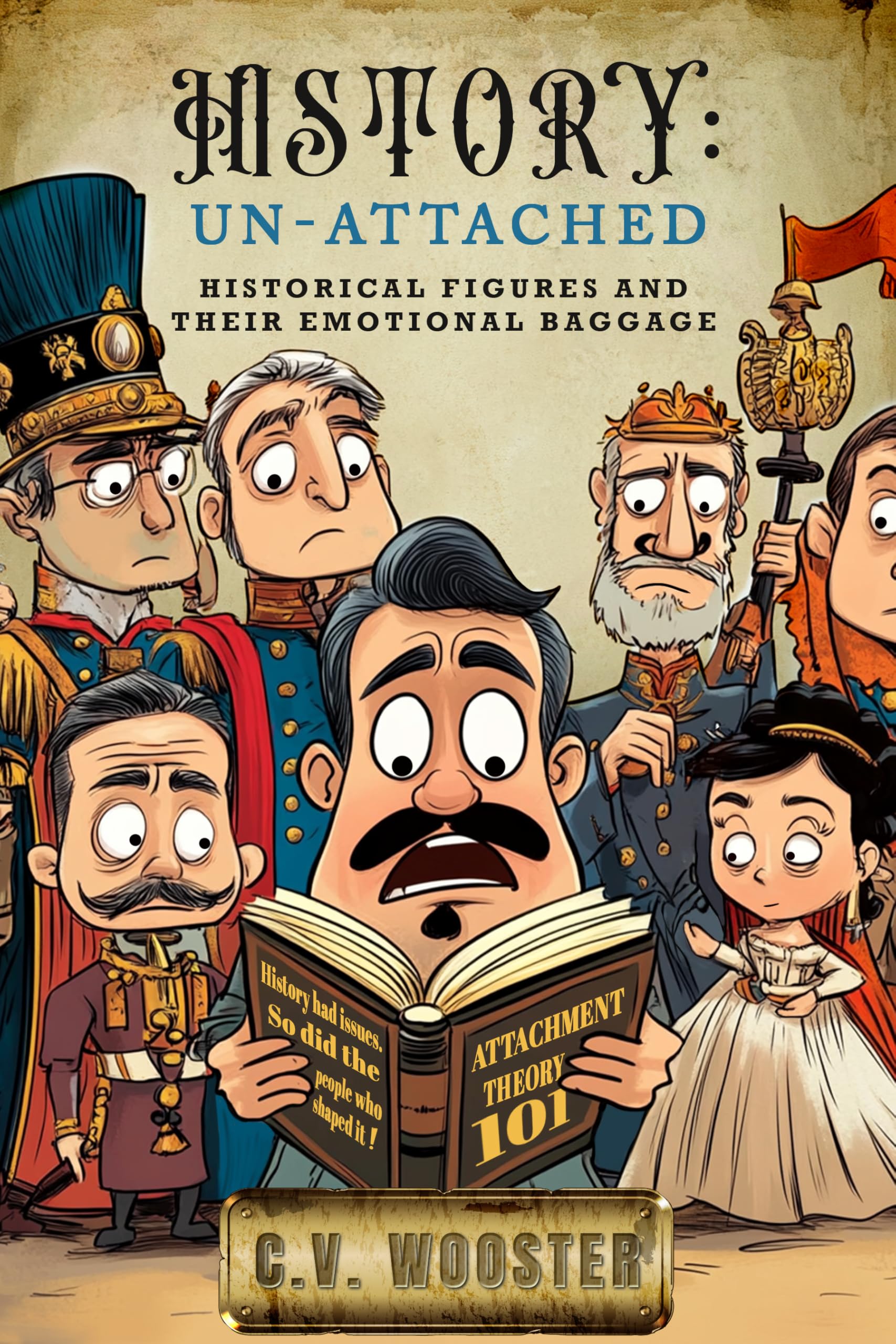 History: Un-Attached
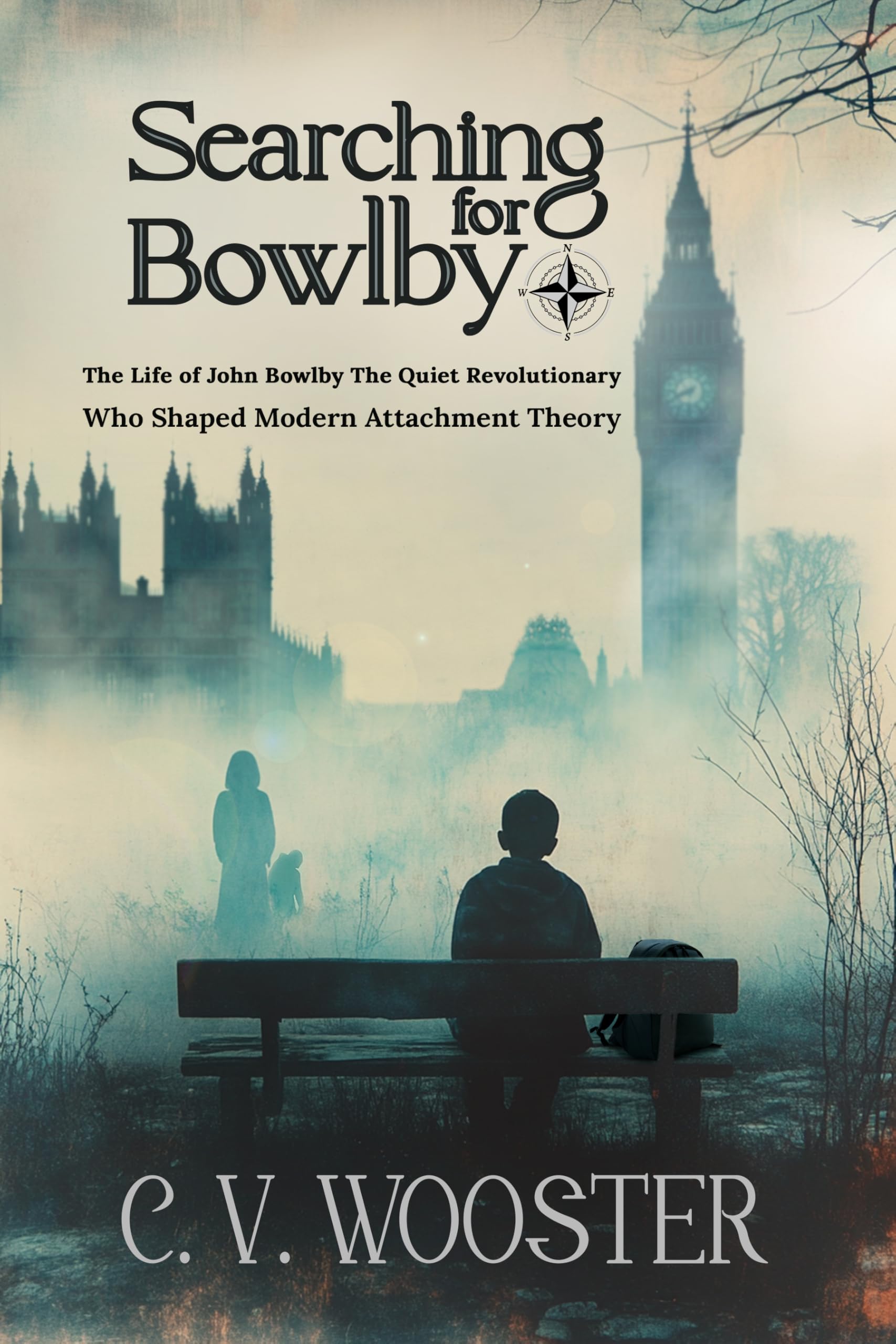 Searching for Bowlby
 Mrs. Orcutt's Driveway