
A state portrait hangs in armor while a tired sketch from the same sitting waits in a side room. Visitors memorize the myth; the sketch keeps the fatigue.
Opening the drawer
A state portrait hangs in armor while a tired sketch from the same sitting waits in a side room. Visitors memorize the myth; the sketch keeps the fatigue.
You might be thinking this is only a curiosity for specialists. It is not. Every family and every public life leaves a pattern of who was kept near and who was kept optional. Learning to see that pattern changes how you read captions, biographies, and your own boxes in the attic.
Why this belongs on History Unattached
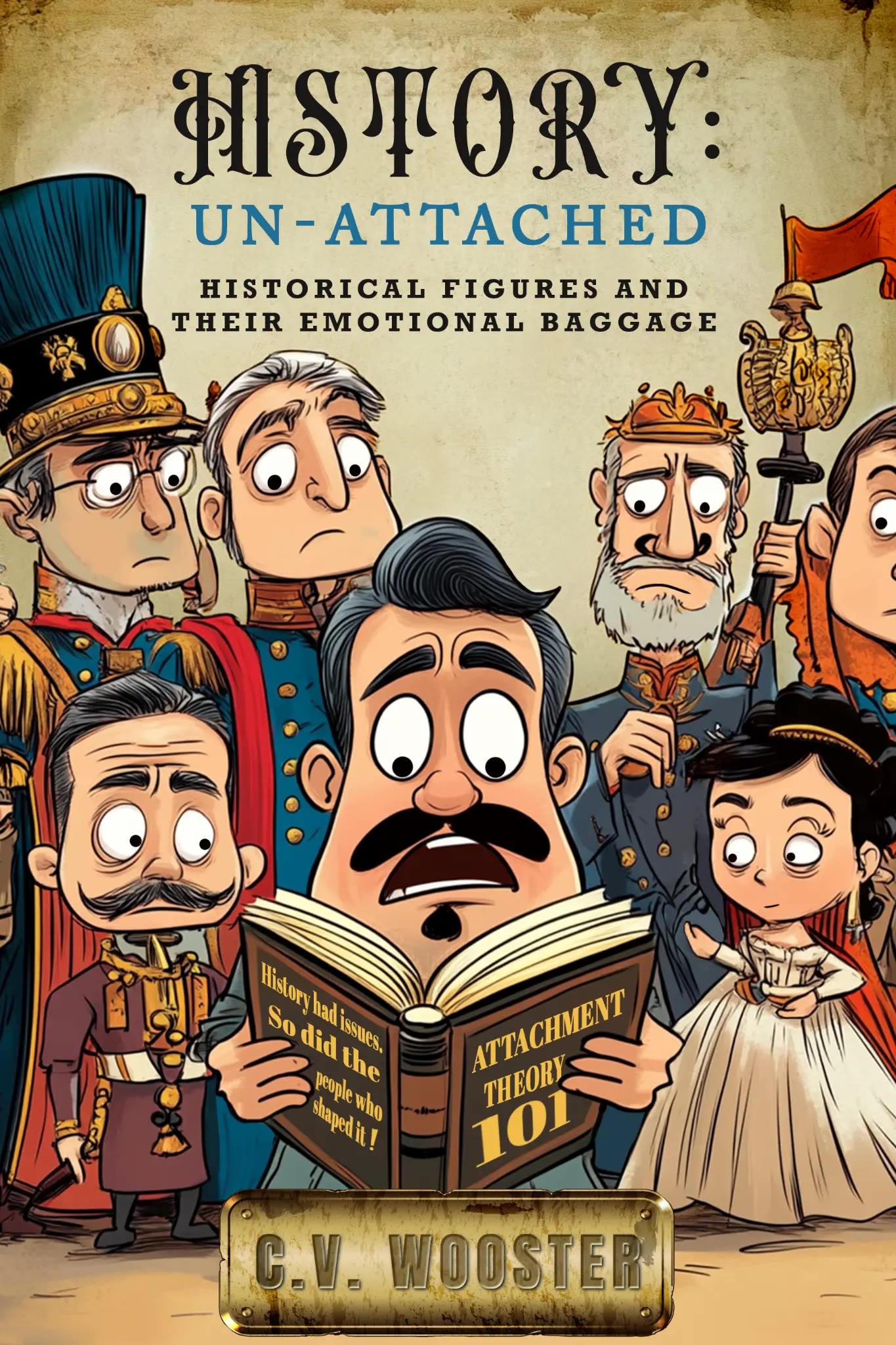
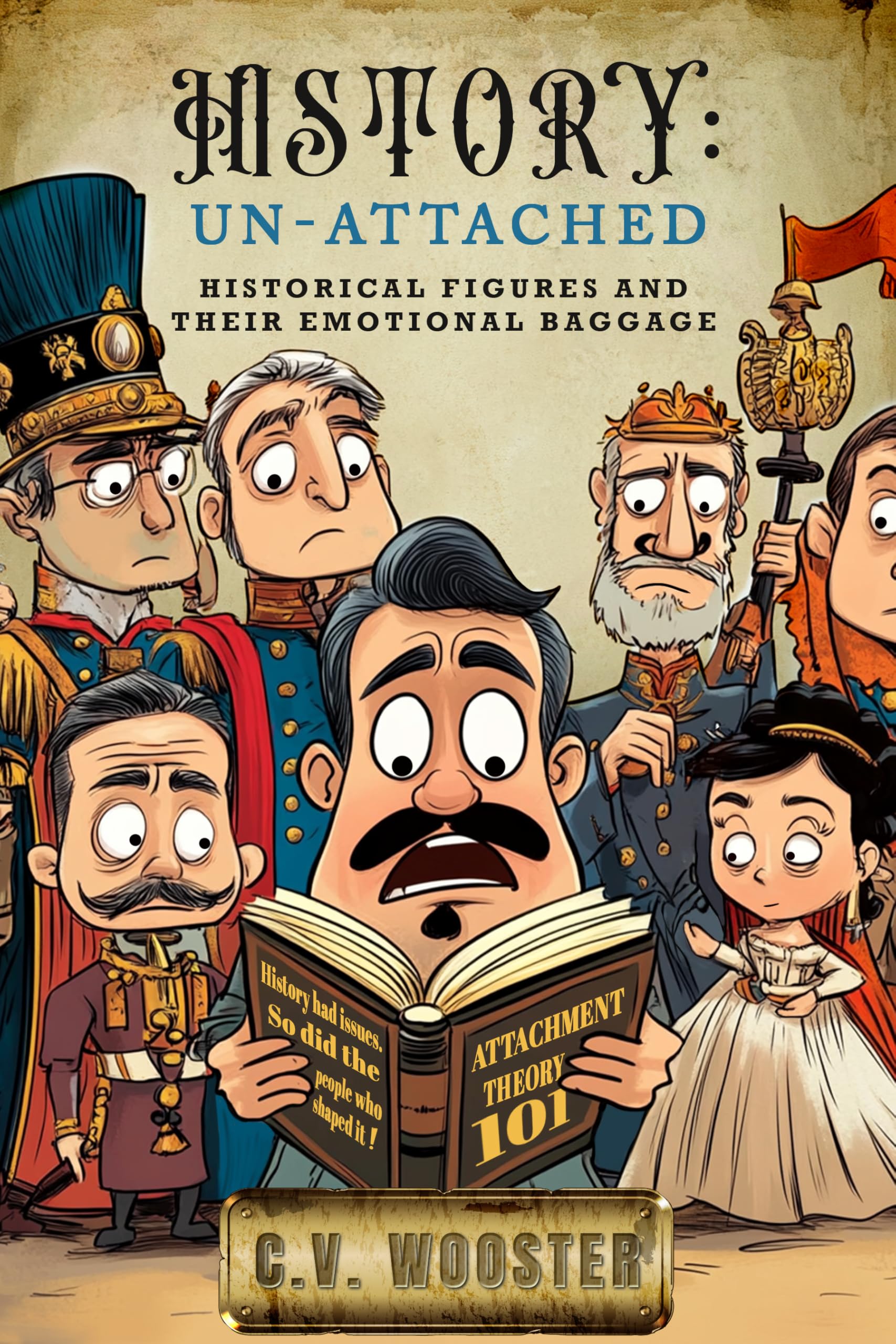
The book and this site start from a stubborn question: whose need for belonging never made the index card? The Field Notes answer that question one drawer at a time, without pretending the drawer is a clinic.
Working the evidence
1. Myths as tools
Take myths as tools seriously as a historical clue. Ask who produced the evidence, who filed it, who benefited from its survival, and who might have wanted it gone. Write down dates before interpretations. Prefer verbs: who visited, who paid, who stopped writing, who returned. Then ask what myths as tools reveals about continuity and rupture. Continuity is one quiet condition of a life that holds together. Rupture is not always tragedy; sometimes it is escape. Keep both possibilities open until the paper forces a narrower reading.
2. Portrait patronage
Take portrait patronage seriously as a historical clue. Ask who produced the evidence, who filed it, who benefited from its survival, and who might have wanted it gone. Write down dates before interpretations. Prefer verbs: who visited, who paid, who stopped writing, who returned. Then ask what portrait patronage reveals about continuity and rupture. Continuity is one quiet condition of a life that holds together. Rupture is not always tragedy; sometimes it is escape. Keep both possibilities open until the paper forces a narrower reading.
3. Excluded servants
Take excluded servants seriously as a historical clue. Ask who produced the evidence, who filed it, who benefited from its survival, and who might have wanted it gone. Write down dates before interpretations. Prefer verbs: who visited, who paid, who stopped writing, who returned. Then ask what excluded servants reveals about continuity and rupture. Continuity is one quiet condition of a life that holds together. Rupture is not always tragedy; sometimes it is escape. Keep both possibilities open until the paper forces a narrower reading.
4. Diaries vs speeches
Take diaries vs speeches seriously as a historical clue. Ask who produced the evidence, who filed it, who benefited from its survival, and who might have wanted it gone. Write down dates before interpretations. Prefer verbs: who visited, who paid, who stopped writing, who returned. Then ask what diaries vs speeches reveals about continuity and rupture. Continuity is one quiet condition of a life that holds together. Rupture is not always tragedy; sometimes it is escape. Keep both possibilities open until the paper forces a narrower reading.
5. Reader discipline with captions
Take reader discipline with captions seriously as a historical clue. Ask who produced the evidence, who filed it, who benefited from its survival, and who might have wanted it gone. Write down dates before interpretations. Prefer verbs: who visited, who paid, who stopped writing, who returned. Then ask what reader discipline with captions reveals about continuity and rupture. Continuity is one quiet condition of a life that holds together. Rupture is not always tragedy; sometimes it is escape. Keep both possibilities open until the paper forces a narrower reading.
A labeled illustrative scene
Picture a researcher we will call Dana, sitting under a reading-room lamp at 10 a.m. with a pencil and a restricted folder. Dana does not diagnose the dead. Dana lists names, dates, and distances. By noon the famous subject looks less self-made and more surrounded — which is usually the more accurate past.
What to do with what you find
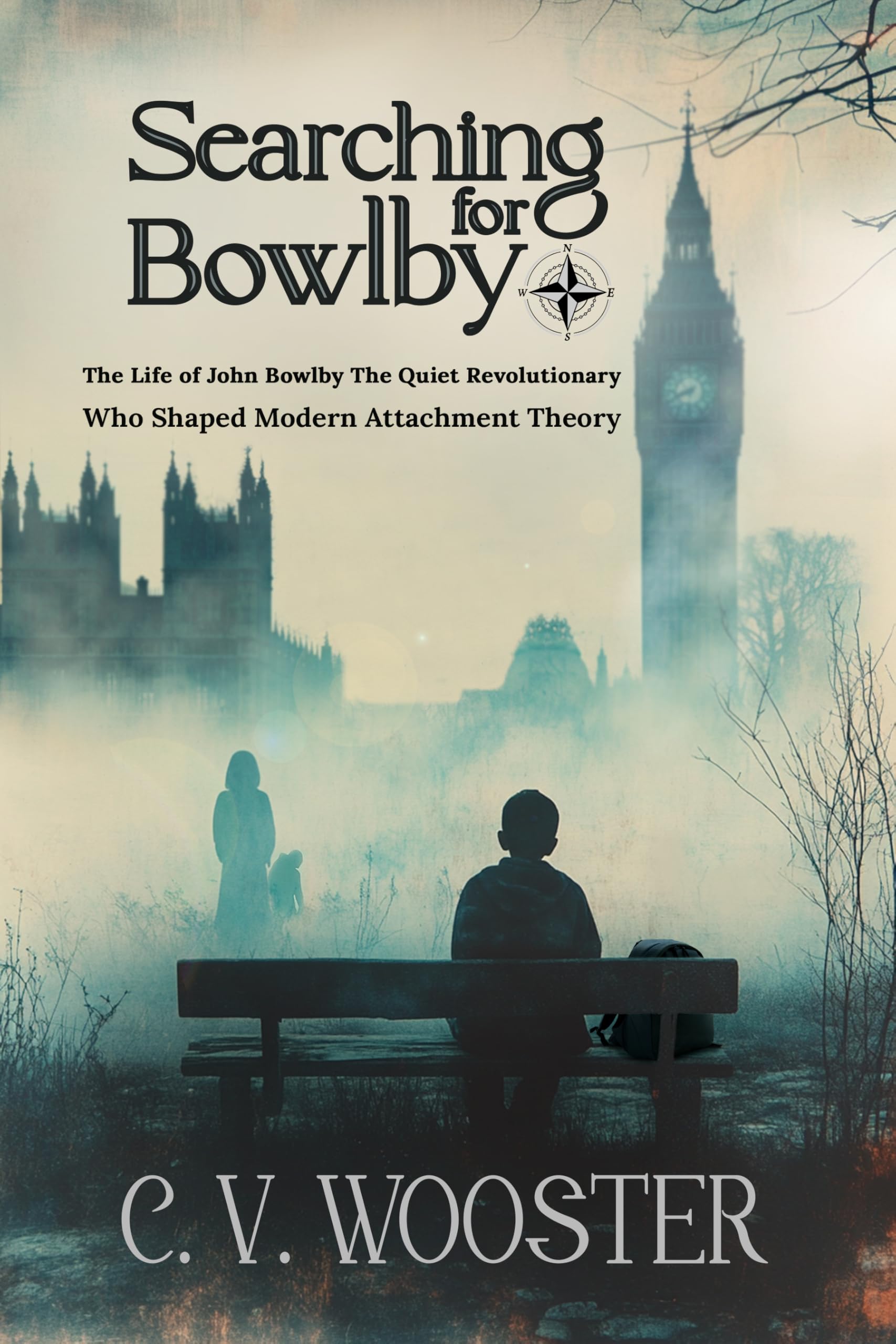
Cite the keepers. Credit the boring folders. Tell readers where the gaps are. Softly point them toward the next step this site already offers: another Field Note, the book History Unattached, or the related questions explored at Searching for Bowlby when early bonds are the hinge.
Closing question for you
Which name at the edge of a story you love has never been given a full sentence — and what would change if you wrote that sentence carefully this week?
On reading attachment without a clinic
This Field Note uses belonging, care, distance, and loyalty as historical questions. It does not offer medical advice and does not claim a clinical diagnosis of anyone living or dead. When modern psychological vocabulary appears, treat it as a historian's metaphor for patterns in the record — useful for asking better questions, never as a substitute for evidence, consent, or professional care in the present.
If the past you are studying includes violence, coercion, or abuse, name those acts plainly. Metaphor should clarify, not soften, harm. If your own history is close to the material, pace yourself and seek qualified support when needed.
The next useful step is usually smaller than a theory: one dated letter, one named companion, one gap in the catalogue that you refuse to skip.
 History: Un-Attached
 Searching for Bowlby
 Mrs. Orcutt's Driveway